Health and Safety Policy for Roehampton Removals
 At Roehampton Removals, health and safety is a core part of how we plan, prepare, and deliver every move. Our approach to removals safety is built around preventing harm, protecting property, and ensuring that every task is completed with care. We aim to create a safe working environment for our team, our clients, and anyone who may be affected by our operations.
This policy sets out the principles that guide our work. It reflects our commitment to maintaining safe systems, reducing risk, and promoting responsible behaviour at every stage of a move. We recognise that moving and handling can involve physical effort, lifting, loading, transport, and time pressures, so we take practical steps to manage those challenges.
We believe that a strong safety culture depends on awareness, communication, and accountability. Every member of our team is expected to act responsibly, use equipment correctly, and report any concern that could affect the wellbeing of people or property. By keeping safety central to our operations, Roehampton removals supports reliable and professional service delivery.
Our Safety Commitments
We are committed to identifying hazards before work begins and taking appropriate action to control them. This includes assessing access routes, reviewing item weight and size, checking for trip hazards, and planning loading arrangements carefully. Our removal company safety policy also includes the use of suitable equipment, well-maintained vehicles, and appropriate protective measures.
Training plays an important role in our safety standards. Team members are instructed in safe lifting methods, correct use of tools and carrying aids, manual handling awareness, and respectful behaviour on site. We expect all staff to follow established procedures and to stop work if a situation becomes unsafe. In this way, Roehampton removals policy supports consistency and reduces the risk of avoidable incidents.
We also place value on communication with customers and property occupiers. Where access is limited, items are fragile, or conditions are complex, we make sure that our team is aware of the relevant risks before work starts. Clear planning helps us protect flooring, walls, furniture, and personal belongings while maintaining a smooth and controlled process.
Risk Management and Safe Working Practices
Risk assessment is an essential part of every job. Before a move begins, we consider the environment, the nature of the items involved, and any factors that may affect safe handling. This may include stairs, narrow hallways, poor lighting, weather conditions, or awkwardly shaped objects. The purpose of this process is to ensure that controls are in place before work is undertaken.
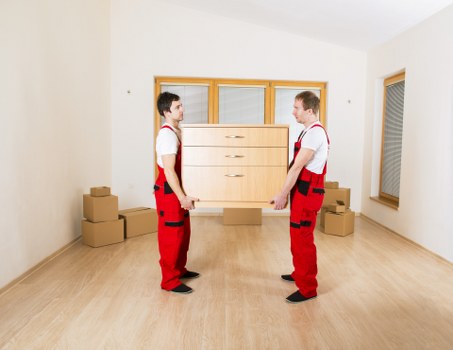 Our team is expected to use the right technique for the task. Heavy or bulky items are moved with proper support, and team lifting is used where necessary. We avoid unnecessary rushing and encourage steady, controlled movement. If an item cannot be moved safely, alternative methods or additional support will be considered.
We maintain our equipment and vehicles so that they remain suitable for daily use. Trolleys, straps, blankets, ramps, and other handling aids are inspected regularly and used only when fit for purpose. This supports safe loading and unloading while helping to prevent damage and injury during domestic removals and larger-scale projects alike.
Responsibility, Reporting, and Compliance
Safety is a shared responsibility. Managers are responsible for ensuring that work is planned properly, staff are trained, and procedures are followed. Employees are responsible for carrying out their duties carefully, using protective measures, and drawing attention to hazards, accidents, or near misses as soon as possible.
We keep records of safety issues and use them to improve our working practices. Any incident is reviewed so that lessons can be learned and future risk reduced. This approach allows removals risk management to remain active rather than theoretical, and it helps us strengthen standards over time.
We also expect all operations to align with relevant health and safety obligations and industry best practice. While each job may differ, our goal remains the same: to carry out every move with professionalism, care, and a clear focus on preventing harm. Safe work is not an optional extra; it is part of our service promise.
Protecting People, Property, and Wellbeing
 In addition to physical safety, we recognise the importance of wellbeing. Moving work can be demanding, so we encourage sensible pacing, adequate breaks, and a respectful working environment. Good teamwork and clear instruction help reduce fatigue, confusion, and stress, all of which can affect safe performance.
We aim to protect vulnerable items and surroundings through careful handling and thoughtful preparation. Floors may be covered, corners protected, and fragile possessions treated with extra caution. These measures are part of our wider health and safety policy and reflect our respect for the spaces and belongings we work around.
Our approach is proactive rather than reactive. By anticipating difficulties, using safe methods, and maintaining a disciplined standard of work, we reduce the likelihood of injury and damage. The result is a more dependable service and a safer experience for everyone involved in the move.
Ongoing Improvement
Roehampton Removals is committed to reviewing and improving this policy regularly. As equipment, working methods, and operational needs evolve, we will update our procedures to keep pace with those changes. Continuous improvement helps ensure that our standards remain effective, practical, and relevant.
 We encourage a culture in which concerns are raised early and handled constructively. Whether the issue involves access, handling, storage, or general working conditions, prompt action supports safer outcomes. This mindset is central to safe removals services and helps us maintain a high level of trust in our work.
 Through careful planning, responsible conduct, and a strong commitment to safety, Roehampton removals aims to deliver every move with professionalism and confidence. Our health and safety policy is designed to protect people first, while supporting efficient, well-managed, and reliable moving services.